
Windows · Schueco CT 70
Triple glazed uPVC windows
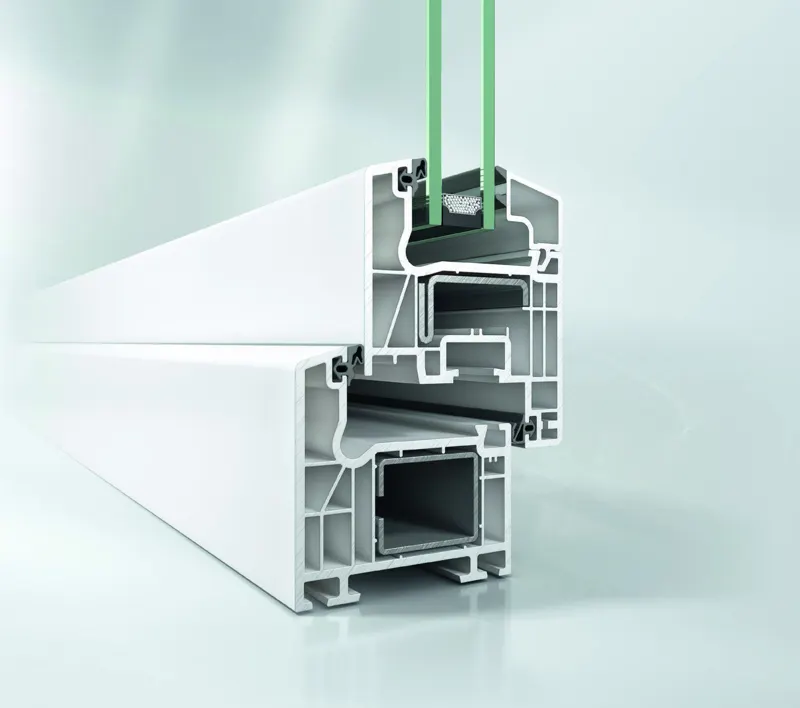
CT 70 tilt and turn, fixed windows and hinged doors with three-pane AGG glass units and two low-E coatings. WERS Uw down to 0.9 W/(m²K) for fixed glazing and 1.2 for an opening window.
Which products are rated triple glazed
Of our 340 WERS ratings, 41 are triple glazed. They sit on the CT 70 products, which take glass units up to 42 mm:
- Tilt and turn windows. 13 triple ratings. Uw 1.2 with two low-E coatings, against 1.5–1.6 for the best double glazing.
- Fixed windows. 13 triple ratings. Uw 0.9, the lowest figure in our range. Double low-E reaches 1.4.
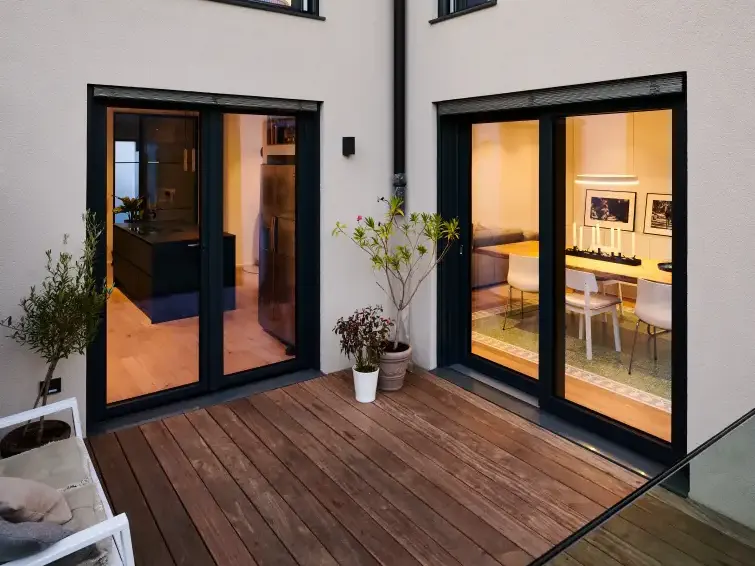
- Hinged doors. 13 triple ratings for the CT 70 hinged door, the basis of our French doors. Uw 1.1, against 1.5 double glazed.
- Casement and awning windows. One triple rating each, with uncoated AGG CLASSIC 4/12/4/12/4 glass at Uw 1.7. That is worse than their low-E double glazing (1.6), so we don't recommend triple glazing on these.
- SoftSlide sliding doors and windows. Double glazed only. SoftSlide takes glass up to 28 mm; our triple units are 36–42 mm.
The glass
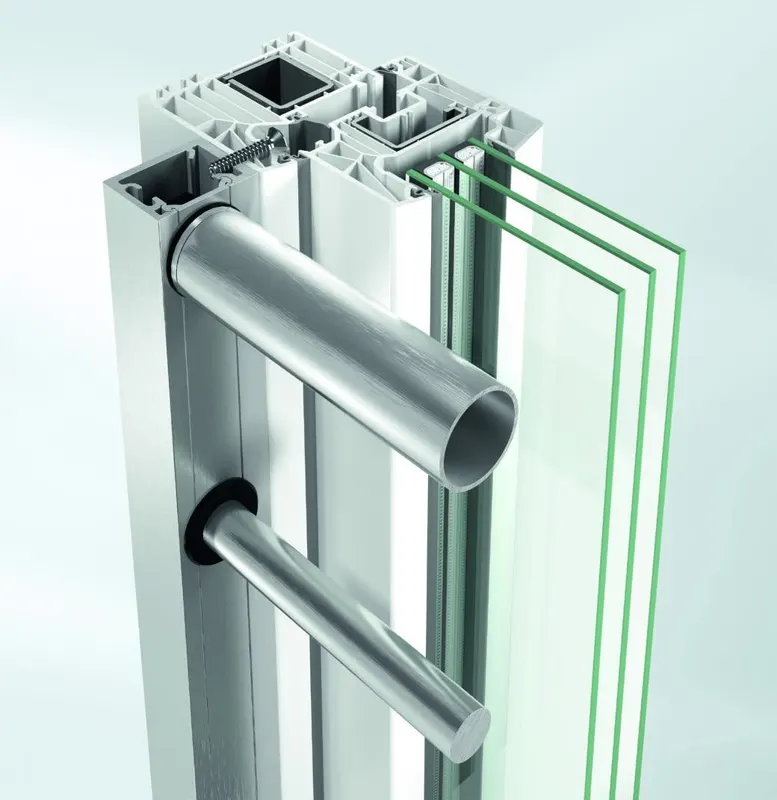
The triple units are AGG Insulglass with three panes, two argon-filled gaps and a warm edge spacer. The coatings make the difference. AGG itself warns against assuming any triple unit beats double glazing: in our ratings, triple CLASSIC with no coating rates 1.6–1.7, no better than a low-E double unit. With two coatings the Uw drops to 0.9–1.2. AGG uses LowE Plus for the second coating, hence the names:
- PLUS + PLUS keeps the most light and solar gain (SHGC 0.25–0.41). Suits cold climates and shaded north glazing.
- ADVANCE + PLUS cuts solar gain (SHGC 0.16–0.25) and still looks clear.
- MAX + PLUS gives the lowest solar gain (SHGC 0.13–0.20), for exposed west glazing.
More on each coating on the glass options page.
| System | Schueco Corona CT 70 |
|---|---|
| Glass | AGG Insulglass triple units, warm edge spacer |
| Unit thickness | 36–42 mm in WERSCT 70 glazing range 4–42 mm |
| WERS Uw, fixed | 0.9 W/(m²K)AGG PLUS + PLUS, ADVANCE + PLUS, MAX + PLUS |
| WERS Uw, hinged door | 1.1 W/(m²K) |
| WERS Uw, tilt and turn | 1.2 W/(m²K) |
| WERS SHGC, triple | 0.13–0.56Lowest with MAX + PLUS, highest with uncoated CLASSIC |
| Air infiltration | 0.03 L/s·m² tilt and turn and fixed; 0.04 hinged door |
| Glass weight | About 30–45 kg/m²AGG: 2.5 kg/m² per mm of glass; 4/16/4/14/4 to 6/12/6/12/6 |
| Max tilt and turn sash | Up to 2400 mm high, 90 kg glassReinforced, bonded glazing; varies with width and wind load |
| Max French door sash | Up to 110 kg glassBonded, depends on wind class and profile |
| Fixed glazing | Up to 250 kg glass, always reinforced |
| Frame Uf | From 1.2 W/(m²K)Schueco CT 70 Uf tables |
| AS 2047 rating | Test reports on request |
WERS ratings
Triple glazed ratings by product
Uw in W/(m²K), SHGC and Tvw for each AGG triple option, from our WERS ratings. Each option is rated in two or three build-ups (e.g. 6/12/6/12/6, 4/16/4/14/4, 5/14/5/12/5); ranges cover them.
| Product | Triple unit | Uw | SHGC | Tvw |
|---|---|---|---|---|
| CT 70 Fixed Window | AGG PLUS + PLUS | 0.9 | 0.38–0.41 | 0.56–0.58 |
| CT 70 Fixed Window | AGG ADVANCE + PLUS | 0.9 | 0.24–0.25 | 0.48–0.50 |
| CT 70 Fixed Window | AGG MAX + PLUS | 0.9 | 0.20 | 0.47–0.48 |
| CT 70 Fixed Window | AGG CLASSIC (no low-E) | 1.6–1.7 | 0.50–0.56 | 0.56–0.60 |
| CT 70 Hinged Door | AGG PLUS + PLUS | 1.1 | 0.30–0.32 | 0.43–0.44 |
| CT 70 Hinged Door | AGG ADVANCE + PLUS | 1.1 | 0.19 | 0.37–0.39 |
| CT 70 Hinged Door | AGG MAX + PLUS | 1.1 | 0.16 | 0.36–0.37 |
| CT 70 Hinged Door | AGG CLASSIC (no low-E) | 1.6–1.7 | 0.39–0.44 | 0.43–0.46 |
| CT 70 Tilt and Turn Window | AGG PLUS + PLUS | 1.2 | 0.25–0.27 | 0.35–0.36 |
| CT 70 Tilt and Turn Window | AGG ADVANCE + PLUS | 1.2 | 0.16 | 0.30–0.31 |
| CT 70 Tilt and Turn Window | AGG MAX + PLUS | 1.2 | 0.13 | 0.29–0.30 |
| CT 70 Tilt and Turn Window | AGG CLASSIC (no low-E) | 1.6–1.7 | 0.32–0.36 | 0.35–0.38 |
| CT 70 Casement / Awning Window | AGG CLASSIC 4/12/4/12/4 | 1.7 | 0.35 | 0.37 |
Source: WERS (werslink.com.au), manufacturer "Sustainable Windows", checked 1 October 2026. All units with warm edge spacer. Rating IDs on request. Double glazed figures for every product are on the glass options and energy efficiency pages.
Weight
Check sash sizes early
A third pane adds weight, and Schueco's maximum sash sizes are set by glass weight. AGG's rule of thumb is 2.5 kg per m² for every mm of glass. For a tilt and turn sash with 800 × 1800 mm of glass (1.44 m²):
- Double 4/20/4 (8 mm of glass): about 29 kg.
- Triple 4/16/4/14/4 (12 mm): about 43 kg.
- Triple 6/12/6/12/6 (18 mm): about 65 kg.
A CT 70 tilt and turn sash with the lightest steel reinforcement is limited to 40 kg of glass. With the heaviest reinforcement and bonded glazing it takes 90 kg, up to 2400 mm high on sashes up to 900 mm wide. Wider sashes get shorter limits, and wind class changes the figures. A large triple glazed sash may need heavier steel, bonded glazing or a split into two sashes. Design to the sash tables; the hardware limits are higher.
Glazing depth
Where triple glazing fits
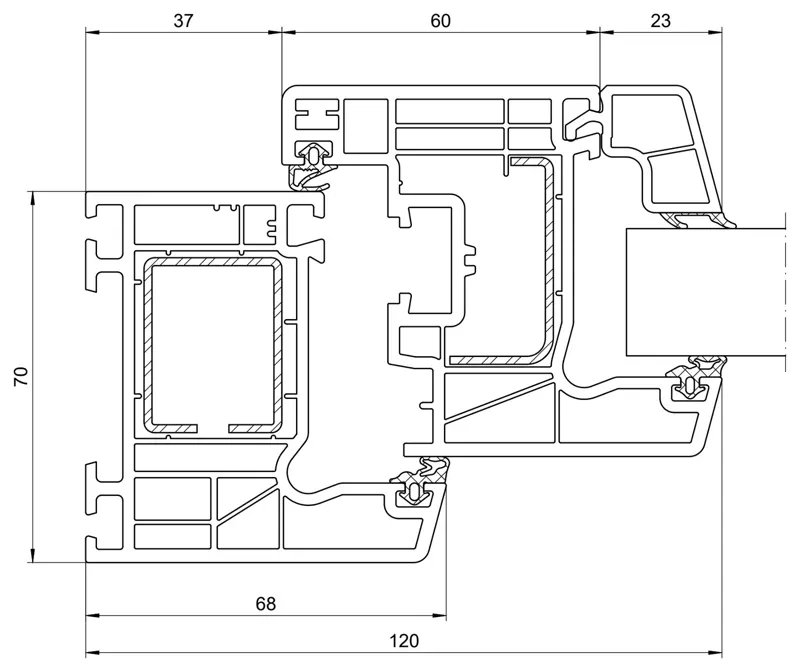
CT 70 takes units from 4 to 42 mm, so every triple build-up in our WERS list (36–42 mm) is within its range. SoftSlide takes 4–28 mm and is double glazed only. EasySlide lift and slide doors take 6–42 mm, so a triple unit fits physically, but there is no WERS rating for it yet.
A thicker unit also means a different glazing bead. We pick the glazing beads to suit the unit when we fabricate, so you only need to specify the glass option on the schedule.
When it's worth it
Where triple glazing earns its cost
Cold-winter sites
In the Blue Mountains and Southern Highlands, heating dominates. Triple PLUS + PLUS keeps the solar gain of north windows while cutting heat loss, and a warmer inner pane means less condensation on cold mornings.
Large fixed glazing
Fixed lights have the least frame and the lowest Uw: 0.9 triple against 1.4 double. On big glazed walls, that gap carries straight into the heating load. Combine triple fixed lights with tilt and turn sashes for ventilation.
High star targets
When a NatHERS or BASIX model is short of its target, ask the assessor to test triple units on the worst openings first. Upgrading a few large windows often does more than changing the whole house.
Noise
A third pane helps a little: AGG lists Rw 37 for a 6/12/6/12/6 unit against 34 for 6/12/6, glass only. An acoustic laminated pane often does more. See acoustic performance.
Not for casements and awnings
Our only triple ratings on outward-opening sashes use uncoated glass and come out worse than low-E double glazing. Use tilt and turn where you want triple glazing in an opening window.
Not for SoftSlide
SoftSlide is double glazed only. If a large sliding opening needs better figures, ask us about EasySlide or a run of French doors.
For builders
Send the window schedule with the glass from the energy certificate. We check each sash against the weight and size tables and flag anything that needs reinforcement or a split.
For architects
WERS rating IDs for each triple option, section drawings and help choosing between PLUS + PLUS and the solar-control options by orientation.
For resellers
Triple glazing is what customers in cold regions ask about. We supply the units glazed and ready to sell, with WERS data you can hand to their assessor.
Related
Products rated triple glazed
Pricing a job with triple glazing?
FAQ
Questions from builders and architects
What U-value do your triple glazed windows achieve?
With AGG triple units carrying two low-E coatings (PLUS + PLUS, ADVANCE + PLUS or MAX + PLUS), our WERS ratings give Uw 0.9 W/(m²K) for CT 70 fixed windows, 1.1 for CT 70 hinged doors and 1.2 for CT 70 tilt and turn windows. Triple units without low-E rate 1.6–1.7.
Can sliding doors be triple glazed?
Not our SoftSlide sliding doors and windows. SoftSlide takes glass up to 28 mm and is WERS-rated with double glazing only, while our triple units are 36–42 mm. EasySlide lift and slide doors take glass up to 42 mm but have no WERS ratings yet, so talk to us before you put one in an energy model.
How heavy is triple glazing?
AGG works on 2.5 kg per m² per mm of glass. A 6/12/6/12/6 unit has 18 mm of glass, so about 45 kg/m². A 4/16/4/14/4 unit has 12 mm, about 30 kg/m². CT 70 tilt and turn sashes go up to 90 kg of glass when reinforced and bonded, so we check every large sash against Schueco's tables.
Do I need triple glazing to meet BASIX?
Usually not. Most Sydney jobs pass with low-E double glazing, which rates Uw 1.4–1.6 on CT 70 tilt and turn, fixed and hinged door units. Triple glazing is worth modelling for cold climates, high star targets and large glazed areas. Let the assessor test it on the openings that matter before you specify it for the whole house.
Are triple glazed windows quieter?
A little. AGG's glass-only figures give Rw 37 for a 6/12/6/12/6 triple unit against Rw 34 for a 6/12/6 double unit, but a double unit with a 6.5 mm acoustic laminate reaches Rw 39. For a noise problem, acoustic laminated glass usually does more than a third pane. Schueco has tested CT 70 tilt and turn to Rw 47 dB as a complete window with acoustic glass.